
- 21/04/2026
- Dr. Vikas Pakhare
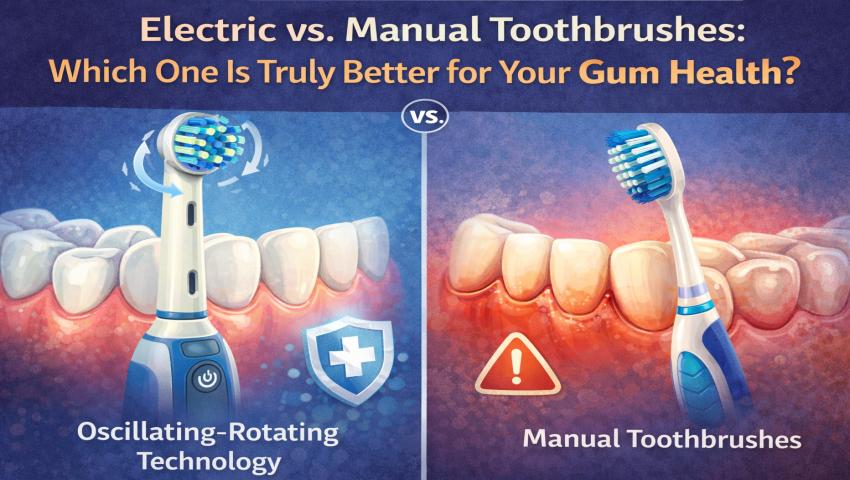
Electric vs. Manual Toothbrushes: Which One Is Truly Better for Your Gum Health?
When it comes to daily oral hygiene, the debate between the electric vs. manual toothbrushes version is a long-standing one. While both can effectively clean your teeth, if your primary concern is gum health, the evidence points toward a clear winner.
Here is a deep dive into how each impacts your gums and which one you should choose.
The Manual Toothbrush: The Old Reliable
Manual toothbrushes have been the standard for decades. They are affordable, portable, and require no charging.
The Pros:
- Total Control: You decide the pressure and the speed.
- Accessibility: You can find them anywhere, and they are budget-friendly.
The Cons for Gum Health:
- User Error: Most people brush too hard with manual brushes. This aggressive scrubbing can lead to gum recession and the wearing away of tooth enamel.
- Inefficient Technique: Maintaining the recommended 45-degree angle toward the gum line for the full two minutes is physically tiring and often neglected.
The Electric Toothbrush: The Tech-Powered Cleaner
Electric toothbrushes use either oscillating-rotating technology (heads that spin) or sonic technology (high-speed vibrations).
The Pros for Gum Health:
- Superior Plaque Removal: Studies, including those by the American Dental Association (ADA), show that electric brushes remove significantly more plaque and reduce gingivitis (gum inflammation) better than manual brushing.
- Pressure Sensors: Many modern electric brushes have built-in sensors that light up or stop vibrating if you press too hard, protecting your gums from physical trauma.
- Consistent Timing: Built-in timers ensure you brush for the full two minutes, providing a thorough clean that manual brushing often misses.
- Ease of Use: For those with limited dexterity or arthritis, the brush does the work for you.
Why Gum Health Matters?
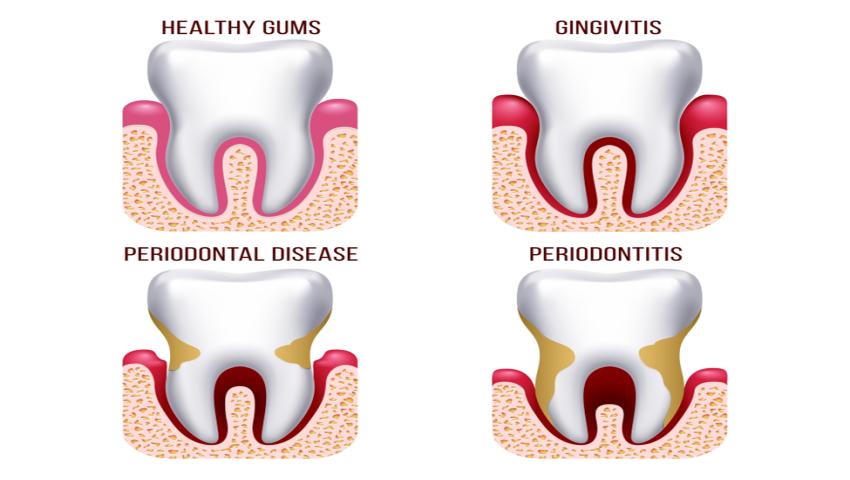
Your gums are the foundation for your teeth. When plaque isn’t effectively removed along the gum line, it hardens into tartar, leading to:
- Gingivitis: Red, swollen, and bleeding gums.
- Periodontitis: A more severe infection that can lead to bone and tooth loss.
Electric vs. Manual Toothbrushes: Which is Better?
For the average person, the electric toothbrush is the superior choice for gum health. The combination of micro-movements (which reach deeper between teeth and under the gum line) and pressure-control features makes it much harder to damage your gums while ensuring a much higher level of cleanliness.
Tips for Both Methods:
Regardless of which brush you choose, keep these rules in mind:
- Soft Bristles Only: Always choose “Soft” or “Extra Soft.” Medium or hard bristles are too abrasive for gum tissue.
- The 45-Degree Rule: Angle your bristles toward the gum line to sweep away bacteria effectively.
- Replace Regularly: Change your brush head every 3 months, or sooner if the bristles look frayed.
Final Thought:
While an electric toothbrush provides a mechanical advantage, the best toothbrush is the one you will use consistently and correctly. If you stick with a manual brush, focus on a gentle, circular technique. If you’re looking to upgrade your gum health, making the switch to electric is a worthwhile investment in your smile.
Are you experiencing bleeding gums? It might be time for a professional cleaning. Schedule your checkup today!